HER vs. Bumble: Which is Better for LGBTQ+ Women?
Published Wed Apr 08 2026 by Thomas Jentzsch
 AI-generated
Finding the right digital space to meet people can feel overwhelming. For women in the LGBTQ+ community, this search carries extra weight. You want a platform that understands your needs and fosters genuine connections.
This guide dives deep into two prominent options. We will compare a platform built specifically for the community with a mainstream giant that offers inclusive features. Understanding their differences is key to a positive experience.
The choice you make impacts everything. It affects the quality of your matches and the overall vibe you encounter. Our goal is to provide a clear, helpful comparison.
We will look at features, community atmosphere, and real user insights. This information will help you decide which service best fits your personal goals. Whether you seek friendship, romance, or community, an informed choice matters.
Key Takeaways
- Choosing the right platform significantly impacts your experience and connection quality.
- One app is designed specifically for queer women, while the other is a mainstream option with inclusive settings.
- This comparison examines features, community feel, and user experiences.
- The goal is to help you align your choice with your specific dating and social objectives.
- An informed decision saves time and leads to more meaningful interactions.
Introduction to Lesbian Dating Apps
The digital world has reshaped how we form relationships, with a significant move toward online platforms. For many, finding connections now starts with a screen. This is especially true within the LGBTQ+ community.
Understanding the Shift to Online Dating
Meeting potential partners online is no longer a last resort. It is often the first choice. This change offers unique advantages for queer women.
Digital spaces allow you to filter for compatibility from the start. You can connect with people outside your usual social circles. Being explicit about your identity and goals is easier online.
Key Trends for Queer Women in 2025
Modern platforms have evolved far beyond basic profiles. They now include features like pronoun selections and advanced filters. These tools help create a more tailored and respectful experience.
A major trend is the desire for deeper connections. Recent reports highlight a move toward “slowmance.” This means queer daters are prioritizing emotional intimacy over quick encounters. They seek a more intentional pace for building relationships.
Understanding these trends helps you choose a service that aligns with your personal goals. This guide explores how different platforms meet these modern needs.
Exploring the Lesbian Dating App Landscape
The array of platforms available to LGBTQ+ women continues to expand and evolve. This growth means more tailored experiences for everyone seeking connections.
Broad Range of Dating Options
You’ll find specialized services designed specifically for queer women. These platforms create focused spaces where everyone shares similar identities.
Mainstream services also offer inclusive features. They provide larger user pools, which can be helpful in smaller towns. This variety ensures you can find what works best for your situation.
Inclusivity and Community Focus
Modern platforms prioritize respectful environments. Many now include detailed gender and pronoun options. This helps create more authentic interactions.
Some services function as social networks beyond just romance. They host events and facilitate friendships. As recent reports highlight, many people use these spaces for self-discovery.
This guide helps you understand these different approaches. Knowing your priorities will lead you to the right platform for your goals.
Overview of HER: A Sapphic Social Network
Among the various options available, a particular platform has carved out a unique niche for sapphic individuals. It positions itself as more than just a matching service, functioning as a comprehensive social network.
Unique Features and Community Events
This platform offers distinctive tools like Pride Pins. These allow people to showcase identity markers such as femme or masc. You can filter matches based on these same descriptors.
The service integrates real-world gatherings directly into the experience. It lists local LGBTQ+ parties and meetups. This helps bridge digital connections with in-person community building.
Site Ratings and User Feedback
The app holds a 4.4 rating from thousands of reviews. A free version is available with premium subscriptions starting at a moderate price point.
However, user reports highlight technical challenges. The interface sometimes suffers from bugs. Some people encounter automated accounts despite verification efforts.
This guide helps you weigh the community-focused approach against technical limitations. The choice depends on your priorities for connection and features.
Overview of Bumble: A Mainstream Alternative
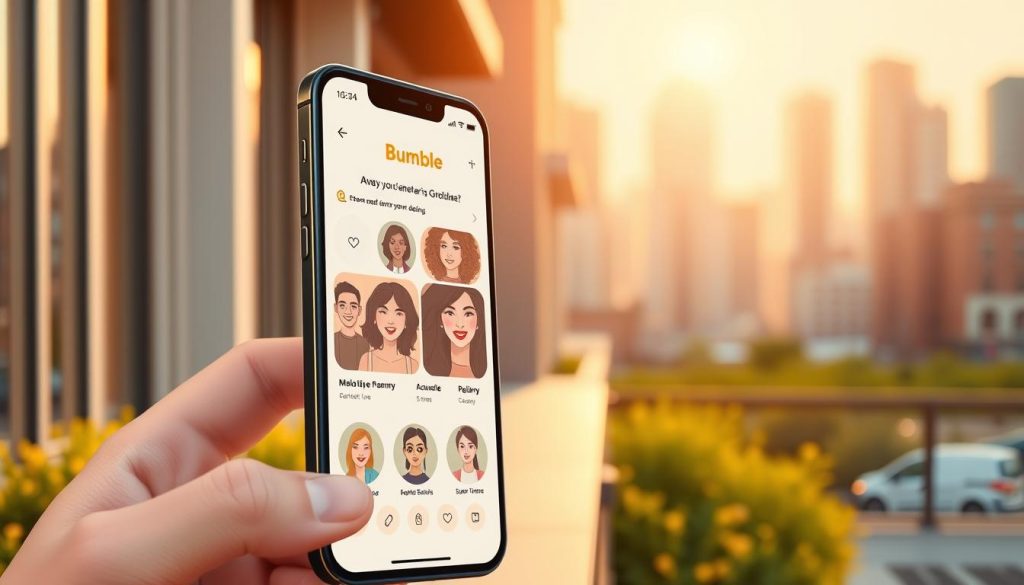
Mainstream dating platforms present unique opportunities and challenges for LGBTQ+ individuals seeking meaningful relationships. This service positions itself as inclusive while primarily serving a heterosexual audience.
 AI-generated
Women Making the First Move
The platform’s signature feature requires women to initiate conversations in opposite-sex matches. For same-sex connections, either person can send the first message.
Recent updates introduced “Opening Moves,” allowing users to set pre-written questions. This helps people uncomfortable with starting conversations.
Challenges for Queer Users on a Straight-Dominated Platform
Many queer women describe the experience as isolating. One user shared: “It feels like showing up to a party where everyone is straight and vaguely confused about why you’re there.”
The 24-hour chat window often pressures conversations. Finding compatible matches requires patience through a predominantly straight user base.
| Feature | Benefit | Challenge for LGBTQ+ |
|---|---|---|
| Large User Base | More potential matches | Mostly straight people |
| Polished Design | Sleek interface | Generic approach |
| Multiple Modes | Friendship and networking options | Limited queer community |
The Bumble BFF feature is mostly a sea of straight women planning brunch. It’s challenging to find genuine queer connections.”
This guide helps you evaluate whether the larger user pool outweighs the navigation challenges. The platform offers friendship and dating options but requires persistence for meaningful queer connections.
her vs bumble: In-Depth Comparison
When evaluating digital platforms for connection, the technical experience and financial investment play crucial roles in user satisfaction. This detailed examination focuses on two critical areas that influence your daily usage.
Feature Set and User Interface
The design and functionality of each platform reveal their core priorities. One service offers a sleek, polished interface with intuitive navigation that rarely experiences technical issues.
However, the other platform prioritizes community-building tools over technical perfection. Users consistently report identity expression features and local event listings as valuable assets.
Subscription Costs and Value for Money
Financial considerations present a clear contrast between the two services. Premium access costs approximately $15 monthly for one option, while the other charges nearly $25 for similar features.
The value proposition depends entirely on your personal priorities. If community connection and identity expression matter most, the lower-cost option delivers excellent value.
However, if you prioritize a smooth, reliable experience with a larger potential pool of connections, the higher price may be justified. Both services offer free versions with basic functionality for casual users.
Evaluating User Experiences with Lesbian Dating Apps
The most telling evidence of a platform’s value comes from the lived experiences of those who’ve found meaningful connections. Real stories reveal what actually works beyond marketing claims.
Looking at various digital platforms through user testimonials provides practical insights. This guide examines authentic success stories to help you make informed choices.
Real Reviews and Success Stories
The Autostraddle team’s collective experiences show remarkable diversity in finding love. Some met partners through social media like Twitter and Instagram rather than traditional platforms.
One user shared meeting their wife through Twitter DMs after Instagram interactions. Another found their best connection on Raya after limited success elsewhere.
Multiple people reported thriving on niche services that blend community building with romance. These platforms often create more authentic environments for building relationships.
| Platform Type | Success Rate | User Experience | Best For |
|---|---|---|---|
| Mainstream Apps | Mixed Results | Polished but generic | Large user pools |
| Niche Services | High satisfaction | Community-focused | Authentic connections |
| Social Media | Unexpected success | Organic interactions | Natural progression |
Many queer women in NYC reported Hinge as their most successful platform for serious relationships. The app’s design encourages more thoughtful interactions between people.
This guide emphasizes that success often requires trying multiple approaches. Flexibility and persistence prove crucial in the journey to find meaningful connections.
Navigating Common Pitfalls on Dating Apps
Successfully navigating online spaces requires awareness of the obstacles that can undermine your search for genuine connections. Even with thoughtful platform selection, certain challenges persist across most digital environments.
Avoiding Bots, Scams, and Choice Overload
Fake profiles represent one of the most frustrating aspects of digital platforms. Some services have minimal verification, allowing automated accounts to operate freely. This creates an environment where trust becomes difficult to establish.
Choice overload presents another significant challenge. Having endless options can lead to decision paralysis rather than meaningful engagement. Many users describe the experience as feeling like shopping rather than building authentic relationships.
Ghosting and low-effort communication waste valuable time and emotional energy. When you find yourself carrying conversations, it’s worth questioning the match’s genuine interest. If someone takes forever to respond, they may not share your priorities.
Staying True to Your Dating Goals
Intentionality is your greatest asset in this process. Before swiping, clarify what you genuinely want from these platforms. Be honest about your objectives in your profile to attract compatible matches.
This guide emphasizes protecting your well-being while remaining open to real connections. Ask yourself if matches demonstrate equal effort. When dating isn’t their priority, they shouldn’t be yours either.
Burnout often stems from mindless usage rather than strategic engagement. Taking regular breaks and limiting daily interaction time helps maintain enthusiasm. Being selective about which platforms you use preserves mental health throughout the journey.
Safety and Privacy in the Digital Dating World
Before swiping right on potential matches, it’s crucial to consider how platforms handle your sensitive data. Your personal information deserves strong protection in this digital space.
Data Security and Profile Verification
Some services have concerning data practices. One user discovered that Taimi retained all their photos and information even after account deletion.
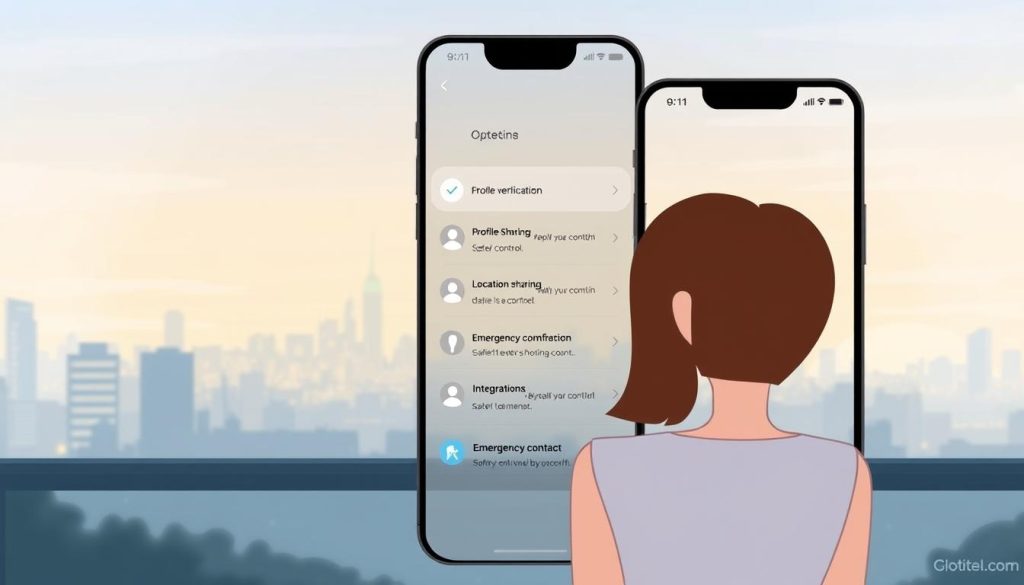
Tinder has improved safety with verified profiles and their “Does This Bother You?” feature. This tool flags inappropriate messages and prompts reporting.
 AI-generated
User Privacy Concerns and Best Practices
Raya takes extreme privacy measures, booting users who take screenshots. OkCupid positions itself as more traditional and intentional with data handling.
This guide recommends never sharing financial information. Be cautious about revealing exact locations until meeting in person.
Trust your instincts when conversations feel off. Use built-in video chat features to verify matches before meeting. Block and report suspicious accounts liberally to protect the community.
Following these best practices ensures your experience remains positive and secure while exploring connection opportunities.
Optimizing Your Dating Profile for Success
Your profile is your digital handshake in the world of online connections. It creates that crucial first impression before any conversation begins. This guide helps you craft a profile that truly represents you.
Crafting an Authentic Bio
Move beyond generic statements like “I love to laugh.” Share specific details that reveal your true personality. Specificity attracts compatible matches who appreciate what makes you unique.
Services like OkCupid and Hinge offer different approaches. Hinge’s prompts work best when they reveal meaningful values. OkCupid benefits from more detailed, paragraph-style descriptions.
Be direct about your sexuality and relationship intentions. Clear communication saves everyone time. It filters out people who aren’t looking for the same connection.
Tips for Selecting the Right Photos
Research shows profiles with 4-6 clear, varied photos perform best. Include a face-focused shot and a full-body photo. Add images showing you engaged in activities you enjoy.
Avoid common mistakes like heavily filtered images or old photos. Authenticity builds trust and leads to better chemistry when you meet in person. Group shots where you’re hard to identify can confuse potential matches.
The best profiles balance personality with conversation starters. They make it easy for people to send meaningful messages rather than generic “hey” texts. Investing time in your profile significantly increases your chances of finding genuine connections.
Exploring Additional Features and Unique Functions
Today’s relationship-building tools offer specialized functions that cater to diverse social needs beyond traditional romance. Many platforms now extend far beyond basic matching to create comprehensive social ecosystems.
These innovative features help you find exactly what you’re looking for, whether that’s community events, platonic friendships, or specific relationship structures.
In-App Events and Virtual Meetups
Some platforms integrate directly with real-world gatherings, listing local LGBTQ+ parties and community meetups. This creates seamless transitions from digital connections to in-person participation.
Interest-based groups and virtual speed dating provide alternative ways to meet people. These lower-pressure environments let you connect with multiple individuals who share your specific interests.
One community-focused service functions like a digital bulletin board. Queer people post everything from niche gatherings to housing needs, making it excellent for building community and finding friends.
Other platforms cater to specific relationship needs. Some focus on ethical non-monogamy with features for linking partner profiles. Another promotes spontaneous encounters with 24-hour self-destructing content.
This guide helps you explore features that meet needs beyond traditional one-on-one connections. Understanding these options enhances your overall experience.
Choosing the Best Lesbian Dating App for You
Ultimately, your personal journey will determine which digital space works best for you. This choice is deeply individual. It hinges on your specific goals, location, and the type of connections you seek.
An honest self-assessment is the first step. Ask yourself what you truly want from these platforms. Are you looking for casual dates, a serious partner, or simply new friends?
Setting Clear Relationship Goals
Defining your intentions upfront saves valuable time and energy. If marriage is your objective, a service focused on compatibility may be ideal. For more spontaneous encounters, a swipe-heavy platform could be a better fit.
Your communication style also matters. Some people prefer detailed profiles that spark meaningful conversations. Others enjoy the quick pace of photo-based matching.
Evaluating User Base and Community Fit
The size of a platform’s user base is important, but quality matters more. A massive pool is useless if it doesn’t align with your identity or values.
In smaller towns, a mainstream app might offer more options than a niche service. In big cities, specialized communities can provide a stronger sense of belonging. The right fit makes all the difference.
| Selection Factor | Niche App Advantage | Mainstream App Advantage |
|---|---|---|
| Community Feel | Targeted, shared identity | Larger, more diverse pool |
| Location Impact | Best in urban areas | Better reach in rural areas |
| Connection Intent | Often more intentional | Wider variety of goals |
This guide emphasizes that success comes from intentionality. Be clear about what you want, and choose platforms that support those goals. The best experience is the one that feels right for you.
Conclusion
Finding genuine connections as a queer woman involves more than just swiping right. Your choice between platforms comes down to prioritizing either dedicated community spaces or broader user pools with polished interfaces.
Specialized services create environments where your identity is centered, offering events and features that foster authentic bonds. Meanwhile, mainstream options provide technical reliability and larger match possibilities, even if navigating predominantly straight user bases requires patience.
Remember that these tools work best when combined with clear intentions and realistic expectations. Many LGBTQ women find success using multiple platforms or even social media creatively.
This guide empowers you to choose digital spaces that align with your relationship goals and communication style. Your journey toward meaningful connections deserves a platform that truly supports your search for love, friendship, or community.
FAQ
Is HER only for dating, or can I use it to make friends too?
HER is designed as a full social network for queer women and LGBTQ+ people. While many users are looking for dates and relationships, the platform also strongly supports finding friends and building community through its group chats and local event listings.
How does Bumble’s "women make the first move" feature work for queer women?
On Bumble, in matches between two women, either person can send the first message within 24 hours. This creates a more balanced dynamic than on some other platforms. However, because Bumble’s primary user base is straight people, some queer users feel the experience isn’t as tailored to their needs.
Which app is generally considered safer for LGBTQ+ women?
HER is often praised for its dedicated focus on safety and inclusivity for the queer community. It employs profile verification and community guidelines specifically designed for LGBTQ+ women. While Bumble has safety features, its broader, mainstream audience can sometimes lead to a less curated experience for queer people.
Are these apps free to use, or do I need a paid subscription?
Both HER and Bumble offer free versions with core functions like swiping and matching. However, paid subscriptions (like Bumble Premium or HER Premium) unlock additional features, such as seeing who likes you, advanced filters, and rewinding accidental swipes. The value depends on how deeply you want to engage with the app’s extra options.
Can I find people interested in serious relationships on these platforms?
Absolutely. While some users are seeking casual hookups, many people on both HER and Bumble are looking for meaningful connections and long-term relationships. Your profile bio is a great place to state your intentions clearly to attract like-minded individuals.
What are some tips for creating a great profile on a lesbian dating app?
A> Focus on authenticity! Choose clear, recent photos that show your personality. Write a bio that gives people a sense of who you are and what you enjoy. Mention your interests and what you’re hoping to find, whether it’s love, friendship, or something in between. This honesty helps foster a genuine connection.