Signs You Are a Dry Texter and How to Fix It Fast
Published Thu Jan 22 2026 by Thomas Jentzsch
 AI-generated
Have you ever sent a thoughtful message, only to get a reply like “K” or “Sure”? That digital thud can feel like a door slamming shut on a conversation. This minimal-effort style of messaging leaves little room for a response and can make the other person feel ignored.
While sometimes harmless, this habit can quietly erode connections. The tone of our digital communication matters as much as the words themselves. According to insights from experts, these brief replies can be the digital equivalent of breaking eye contact, which the nervous system may register as withdrawal.
Quick signs you are a dry texter
You are a dry texter if your replies are short, low-effort, and end the conversation instead of giving the other person an easy way to keep it going. The fix is not writing longer paragraphs. It is adding one detail, one reaction, or one question that moves the chat forward.
- You reply with one word or short fillers like "lol", "yeah", "nice", "k", or "same".
- You answer questions but rarely ask anything back.
- You ignore the specific detail the other person just shared.
- Your replies confirm the message instead of inviting a response.
- Conversations with you tend to fade out fast.
Before: "Nice."
After: "Nice, that sounds like a chaotic first-date story. What was the weirdest part?"
Before: "Haha yeah."
After: "Haha yeah, I would have folded immediately. Are you always that competitive?"
The good news is that this is a changeable habit, not a permanent personality trait. Small shifts in how we craft our texts can completely transform the tone of our conversations and strengthen our most important bonds.
Key Takeaways
- Short, low-effort replies can make the recipient feel unimportant.
- This messaging style can negatively impact romantic, friendly, and professional relationships.
- It is often a communication habit that can be improved with awareness.
- The problem is relatable, often happening after sending a heartfelt message.
- Small adjustments to your texting style can lead to warmer, more engaging digital interactions.
Understanding Dry Texting: What It Really Means
When digital exchanges feel more like monologues than dialogues, you might be encountering what communication experts call minimal-effort messaging. This style creates a noticeable gap in the natural rhythm of back-and-forth exchange.
Defining Dry Texting in Everyday Communication
At its core, this messaging pattern involves sending brief replies that offer little substance for continued interaction. Common examples include single-word responses like “K” or “Sure” without additional context.
Psychotherapist Briana Paruolo, LCMHC, explains that this occurs when “the expected or ‘normal’ flow of conversation begins to change.” The shift manifests through slower response times and noticeably reduced engagement.
How Digital Cues Affect Conversation Tone
Without body language or vocal inflection, our brains actively search for micro-signals in written exchanges. We unconsciously analyze punctuation choices, message length, and response timing to interpret meaning.
These digital cues become essential replacements for the nonverbal communication we rely on during face-to-face interactions. Small details like emoji usage or thoughtful follow-up questions can completely transform the perceived warmth of your messages.
Context plays a crucial role in interpreting these patterns. The same brief response might feel perfectly normal between longtime friends but signal disinterest in a new relationship.
Identifying Signs You Are a Dry Texter
If your chat history shows a pattern of brief, closed-ended responses, you might be displaying classic signs of minimal engagement. Recognizing these patterns is the first step toward warmer digital exchanges.
Many people develop these habits without realizing their impact. The good news is that awareness alone can spark positive change.
Common One-Word and Minimal Replies
Single-word responses like “K” or “Sure” create conversational dead ends. They offer nothing for the other person to build upon.
Even slightly longer phrases can qualify if they lack substance. The key indicator is whether your reply invites continued dialogue.
“The absence of follow-up questions is one of the clearest indicators that someone has fallen into minimal engagement patterns.”
Lack of Follow-Up Questions and Engagement
Questions are the engine that keeps exchanges moving forward. Their absence forces the other person to carry the entire conversational load.
Notice whether you typically let discussions fizzle out. This pattern suggests you might be a minimal engager.
| Engaging Response | Minimal Reply | Impact on Conversation |
|---|---|---|
| “That sounds amazing! How did you feel about it?” | “Cool” | Invites sharing vs. ends discussion |
| “I’d love to hear more about that experience” | “Ok” | Shows interest vs. signals disengagement |
| “What was your favorite part of the day?” | “Sure” | Creates momentum vs. creates stagnation |
A quick self-check can reveal your patterns. Do people seem to stop initiating exchanges? This might indicate your replies feel unsatisfying.
Why Dry Texting Happens
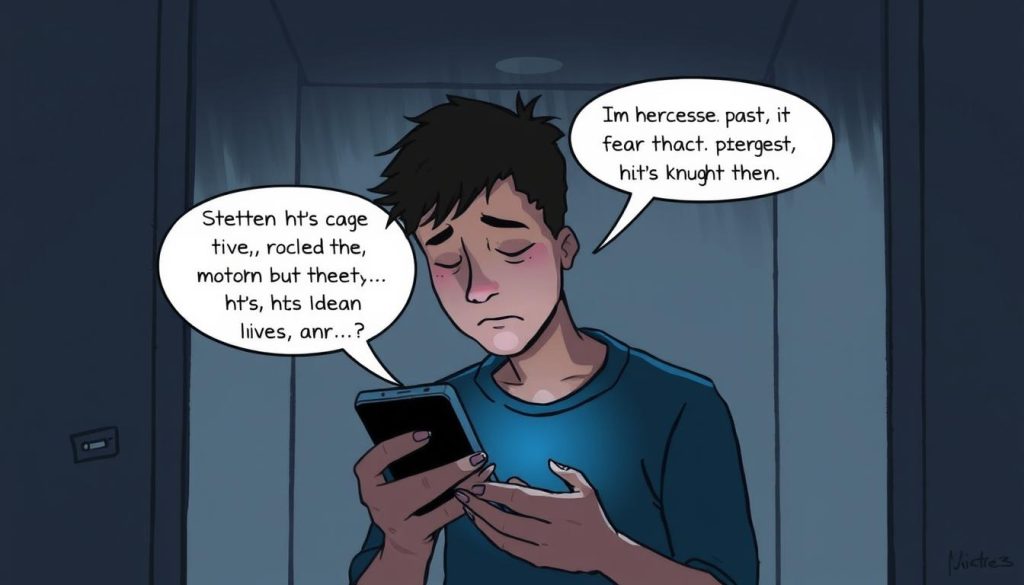
What drives someone to consistently send messages that leave conversations feeling incomplete and unsatisfying? The reasons are often more complex than simple rudeness.
Many people develop these habits unconsciously. Understanding the psychology helps build compassion for yourself and others.
 AI-generated
Nervousness and Low Confidence in Communication
Anxiety can trigger short, safe replies. A person might fear saying the wrong thing in early dating situations.
This creates a paradox where nervousness leads to responses that seem cold. The texter intends protection but conveys disinterest.
Busy Schedules and Autopilot Responses
Modern life demands constant multitasking. Many people type quick replies while juggling work or errands.
These autopilot messages serve logistics but lack warmth. They make the other person feel like an afterthought during a busy day.
Time constraints often explain minimal engagement. The response reflects divided attention rather than lack of interest.
Recognizing these patterns is the first step toward warmer digital connections in any relationship.
Impact of Dry Texting on Communication and Relationships
The ripple effects of minimal messaging extend far beyond a single disappointing exchange. This pattern creates distinct challenges across different types of connections.
In romantic partnerships, consistent brief replies can trigger attachment anxiety. Your partner might interpret short messages as fading interest, even when you’re just busy. These small moments build up over times.
Consequences for Romantic, Friendly, and Professional Connections
With friends, minimal engagement slowly erodes your connection rhythm. Without shared jokes or stories, the relationship may feel one-sided. People naturally pull back when their efforts aren’t matched.
Professional exchanges suffer too. While efficiency matters, overly brief text replies can seem curt. A polite “Got it, I’ll send that by noon” maintains warmer communication than a bare “Ok.”
Relationship researcher John Gottman’s concept of “bids for connection” applies here. Each message represents an attempt to connect. Dry responses feel like turning away from these bids.
Our nervous systems interpret consistent minimal engagement as social withdrawal. This triggers questions like “Did I say something wrong?” even when you mean no harm. The tone of your digital conversation matters deeply for maintaining strong bonds.
How to Fix Dry Texting Immediately
Transforming your messaging style is simpler than you might think, and the results can be felt right away. You don’t need to write long essays. Small, intentional additions make a huge difference.
Start by weaving in open-ended questions. These invite a detailed response instead of a dead end. Instead of “Nice,” try “Nice, how did it feel?”
“If you want to keep a conversation going, you’ve got to ask questions, otherwise you’re just giving speeches.”
Another powerful way is using tone markers. A smiley face or exclamation point adds warmth missing from plain words. “That’s great news 😄” feels much warmer than “That’s great news.”
Recall shared memories to build connection. A message like, “This reminds me of our trip!” creates a unique bond. It shows you’re actively engaged.
Finally, try the “plus one” rule. Answer their question, then add one extra thought or question. This simple habit breaks the cycle of brief replies and keeps the exchange moving forward beautifully.
Effective Conversation Advice for More Engaging Texts
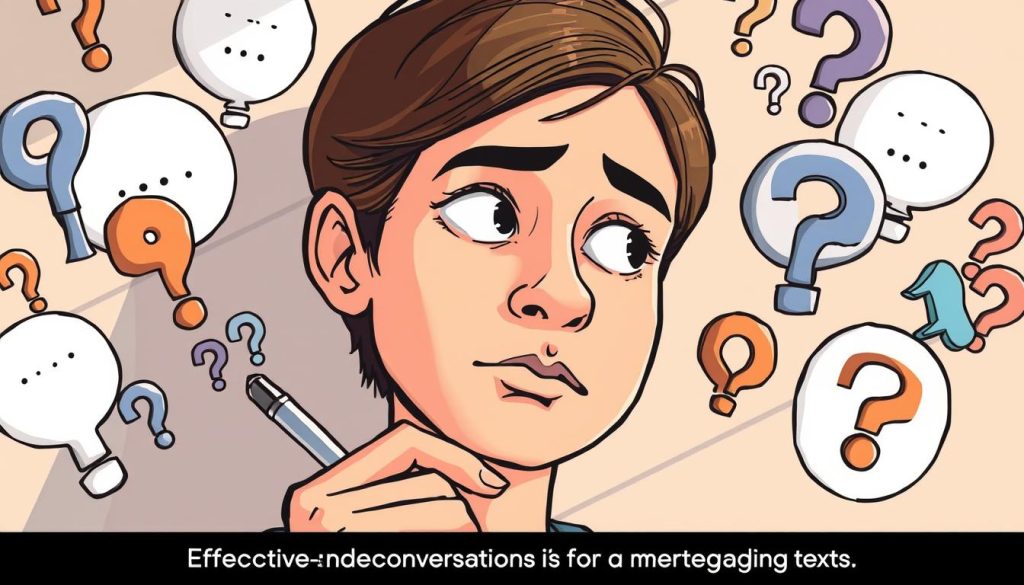
The secret to vibrant messaging lies in crafting inquiries that naturally invite rich, detailed responses. This approach transforms your digital exchanges from basic information sharing to meaningful connection building.
 AI-generated
Tips to Ask Open-Ended Questions
Closed inquiries that get “yes” or “no” answers often stop the flow. Instead, use words like “what,” “how,” and “why” to create space for elaboration. This technique shows genuine interest in the other person’s perspective.
Transform basic check-ins into engaging exchanges. Instead of “Did you have a good day?” try “What was the most interesting part of your day?” The second version invites storytelling rather than a one-word reply.
When making plans, avoid simple availability checks. “What does your week look like?” works better than “Are you free Thursday?” This approach keeps the dialogue flowing naturally and shows flexibility.
The goal is balanced exchange, not interrogation. Good questions alternate with your own sharing, creating rhythm that makes both people feel heard. This method ensures your digital conversations remain lively and connected.
Creative Texting Techniques and Enhancing Your Tone
The art of engaging digital dialogue lies in the subtle creative touches that reveal your unique voice. Moving beyond basic replies transforms your exchanges into memorable connections that feel genuinely warm.
Using Emojis, GIFs, and Tone Markers to Add Warmth
Visual elements like emojis serve as digital body language. They add emotional context that plain words often miss. A simple smiley face or thoughtful GIF can completely change the tone of your messages.
These tools help convey feelings that might get lost in text. Experiment with different styles to find what feels authentic to you. The right visual can make your communications feel more personal and engaging.
Referencing Shared Experiences to Build Connection
Calling back to inside jokes or common memories creates instant intimacy. This technique shows you’re actively thinking about your unique relationship. It transforms basic exchanges into meaningful conversations.
Stephen King noted the power of “shared vocabulary” in creating connection. Using references only you two understand makes your texts feel special. This approach turns ordinary messages into memorable moments that strengthen bonds.
Building Better Communication Habits Through Practice
Think of your conversation skills as a muscle that grows stronger with each message you send. Sustainable improvement comes from regular exercise rather than quick fixes.
Try this 10-second body practice before replying. Put your phone down, take one slow breath, and let your shoulders relax. Picture the other person’s face and notice how your body feels. This simple shift helps create warmer responses naturally.
Build a personal collection of engaging prompts and fun facts. Having these ready prevents defaulting to minimal replies when you’re busy or distracted.
“We are what we repeatedly do. Excellence, then, is not an act, but a habit.”
Consistency matters more than perfection. Sending slightly warmer messages every day transforms your patterns more effectively than occasional perfect replies.
| Daily Practice | Weekly Goal | Monthly Result |
|---|---|---|
| Use the 10-second body check before 3 messages | Add one engaging question to each conversation | More natural flow in digital exchanges |
| Save 2 interesting facts to share | Try one new conversation starter | Increased confidence in messaging |
| Notice your response patterns | Reflect on what works best | Stronger connections through improved communication |
Learning apps and book summaries offer practical micro-lessons for ongoing growth. These resources provide fresh ways to enhance your daily interactions over time.
Conclusion
Your digital communication style is a reflection of your engagement, not a fixed part of your identity. The brief replies you send don’t define you, they’re simply habits that can evolve.
Remember the core strategies: add curiosity through questions, incorporate warmth with tone markers, and show presence by referencing shared experiences. The goal isn’t perfection in every single message, but gradual improvement. Practice one skill at a time until warmer exchanges feel natural.
Sometimes, despite your best efforts, a relationship might not improve. If your digital interactions cause more distress than connection, it may signal deeper compatibility issues. This is valuable information worth knowing. For more insights on navigating these situations, explore this guide on responding to minimal engagement.
The small details in your messages, whether with a partner, friend, or colleague, ultimately shape your most important bonds. You now have the awareness and techniques to transform your communication starting today.
FAQ
What is a dry texter?
A dry texter is a person whose messages often feel brief and lack energy. Their replies, like “k” or “cool,” can make a chat feel one-sided. This style usually misses the warmth and engagement that keeps a dialogue flowing smoothly.
How can I tell if my texting style is too dry?
Look for signs like frequently sending one-word answers, rarely asking questions back, or not adding any personal thoughts. If your friends seem to carry the conversation or replies slow down, it might be a clue your communication needs more spark.
Why do people develop a dry texting habit?
It often happens without meaning to! People might be busy, distracted by work, or feel unsure about what to say. Sometimes, it’s just a habit from replying quickly without thinking deeply about the conversation’s tone.
What’s the best way to fix dry texting?
Start by asking open-ended questions that need more than a yes/no answer. Add a little personality with an emoji or mention a shared memory. The key is to show you’re actively listening and interested in the other person’s life.
Can using emojis and GIFs really improve my texts?
Absolutely! A well-placed smiley face or a funny GIF can completely change the feeling of a message. They add emotional context that words alone might miss, making your communication feel friendlier and more connected.
How does dry texting affect relationships?
Over time, it can create distance. In dating, it might be mistaken for a lack of interest. With friends or at work, it can seem like you’re not fully engaged. Good communication builds stronger bonds, so enriching your messages helps all your connections.