Dating App Burnout: Signs You Need a Break and How to Reset
Published Tue Jan 27 2026 by Thomas Jentzsch
 AI-generated
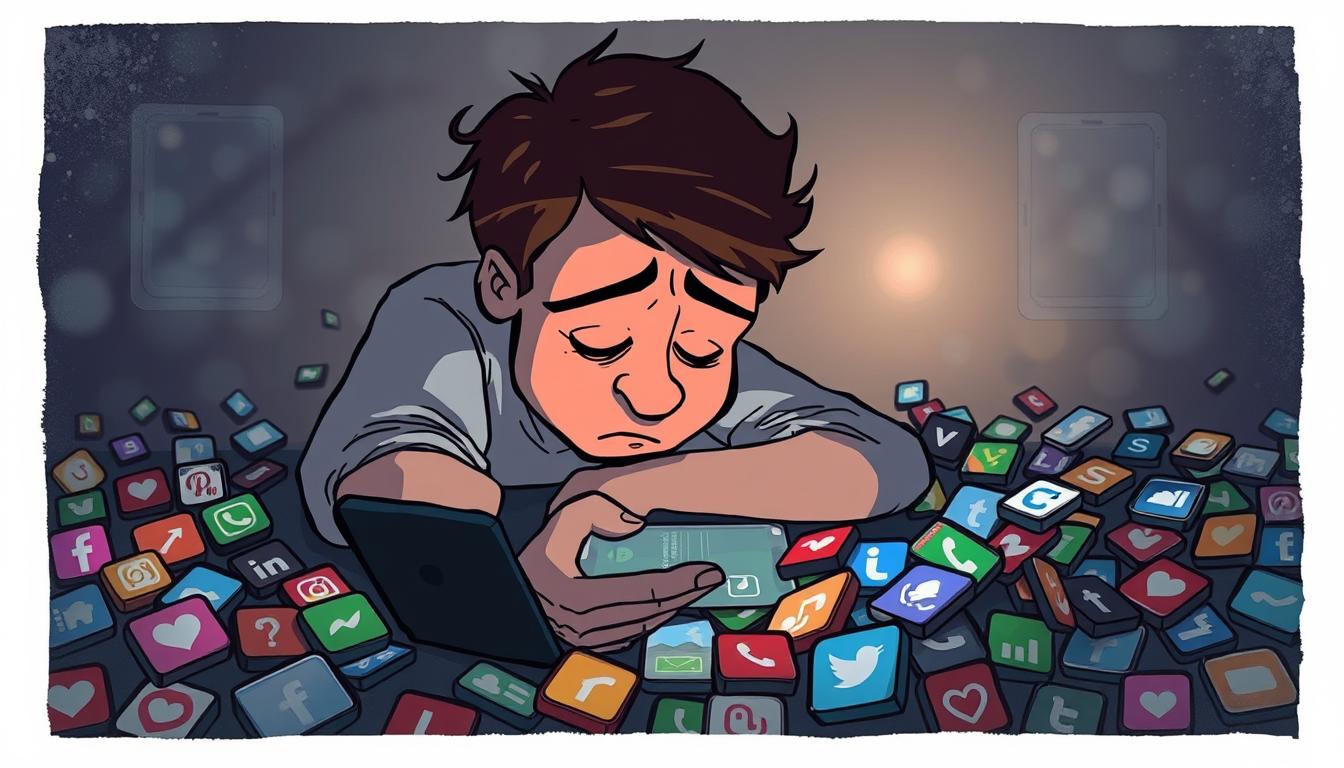
Have you ever felt completely drained after scrolling through profiles? You’re not alone. Many people experience exhaustion from their digital search for connection.
A recent Forbes Health survey reveals something important. 78% of users report feeling emotionally, mentally, or physically exhausted from their platform usage. This data comes from 1,000 U.S. adults who used these services within the past year.
Nearly half of Americans now consider these platforms the most popular way to meet someone. While convenient, this approach can come with significant emotional costs.
This guide will help you recognize warning signs of digital exhaustion. You’ll learn what causes this fatigue and discover practical strategies to reset your approach. Remember, feeling overwhelmed doesn’t mean giving up on finding meaningful connections.
We’ll share insights from therapists and relationship experts throughout this article. Their evidence-based advice will support your wellbeing as you navigate modern relationships.
Key Takeaways
- 78% of digital platform users experience emotional or physical exhaustion
- Nearly half of Americans use these services as their primary way to meet people
- Recognizing early warning signs can prevent more serious burnout
- Practical reset strategies exist for healthier platform usage
- Expert insights provide evidence-based approaches to digital dating
- Taking breaks doesn’t mean abandoning your search for connection
- Sustainable habits lead to more positive experiences overall
Understanding the Modern Dating Landscape
The way people connect romantically has undergone a dramatic transformation in recent years. Digital platforms now dominate how individuals seek companionship.
The Rise of Digital Dating
According to the Forbes Health survey, Tinder leads as the most popular platform with 49% of respondents. Plenty of Fish and Bumble follow closely behind.
Users spend nearly 51 minutes daily on these services. Women average 52 minutes while men spend 49 minutes. This represents a significant time investment in digital connections.
Insights from Recent Surveys
The same research reveals diverse relationship goals among users. While 49% seek long-term commitments, intentions vary widely across different age groups.
| Generation | Long-Term Relationship Seekers | Casual Dating Preference |
|---|---|---|
| Gen Z | 52% | 32% |
| Millennials | 49% | 32% |
| Generation X | 47% | 33% |
| Baby Boomers | 47% | 33% |
Clinical psychologist Dr. Judy Ho explains the challenge: “We don’t always know what the person on the other side wants and there can be a lot of deception.” This ambiguity contributes to user confusion.
Recognizing the Warning Signs
When the search for connection starts to feel more like work than excitement, you might be experiencing digital relationship exhaustion. Recognizing these signals early can help you make positive changes before feeling completely drained.
Emotional and Mental Indicators
Many individuals find themselves endlessly scrolling through profiles without actually messaging potential matches. Conversations that once felt exciting now seem like chores rather than opportunities.
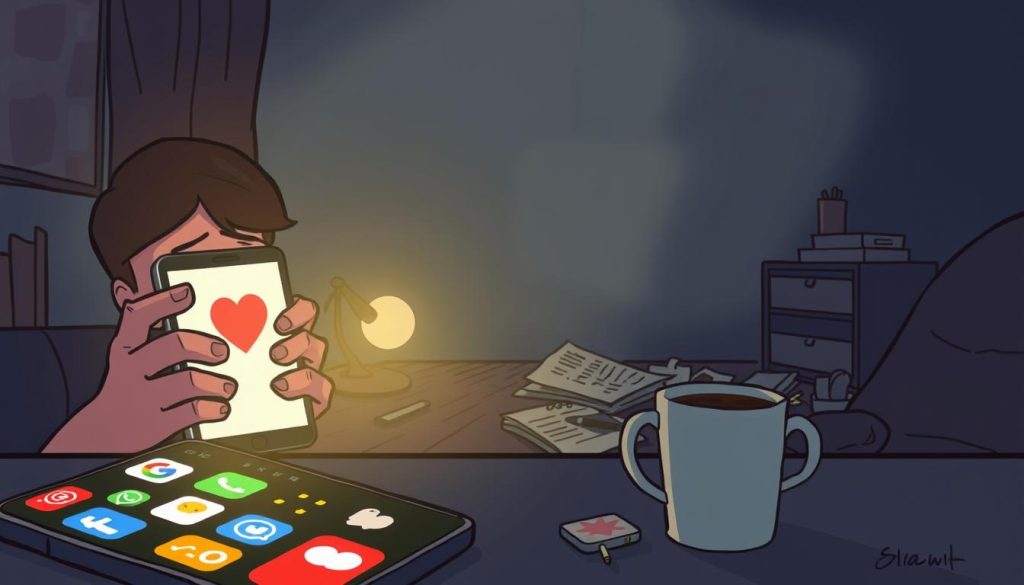
Research shows 78% of platform users experience some level of exhaustion. Millennials report the highest rates at 80%, followed by Gen Z at 79%. This suggests heavier digital communication reliance contributes to mental weariness.
 AI-generated
Women experience higher rates of emotional drain at 80% compared to 74% for men. Dr. Spann explains this difference: “Women might be more burnt out because of the emotional connection, which could have a heavier impact than the physical connection of men.”
Identifying Physical Fatigue
Physical symptoms often accompany mental exhaustion. You might feel tired from constantly meeting new people or experience decision fatigue from processing countless profiles.
Your brain wasn’t designed to handle this level of social processing. Dreading another first date or questioning if you’re “too picky” are common physical manifestations of overload.
These experiences are completely normal among modern relationship seekers. Recognizing them is the first step toward creating healthier digital habits.
dating app burnout, online dating fatigue: What It Means
There’s a growing recognition among mental health professionals that digital relationship platforms create unique psychological challenges. Understanding these concepts helps individuals recognize when they need to step back and reset their approach.
Defining the Key Concepts
Digital relationship exhaustion occurs when people feel drained from the constant cycle of meeting new individuals. According to Dr. Spann, this weariness stems from “constantly meeting new people, failing opportunities and lies.”
This differs from ordinary tiredness. It represents a deeper sense of hopelessness about the entire process of finding meaningful connections. The emotional investment without meaningful returns creates a specific type of psychological strain.
How Digital Overload Affects Users
Our brains weren’t designed to process hundreds of potential partners in one evening. This cognitive overload leads to decision fatigue, making it harder to recognize compatible matches.
The paradox of choice creates anxiety rather than opportunity. Users question whether someone better might appear with the next swipe. This overwhelming selection process can cause people to lose hope in finding the right person.
These psychological responses are natural reactions to unnatural social conditions. Recognizing them helps individuals understand they’re not alone in these experiences.
Common Causes Behind the Burnout
The Forbes Health survey reveals clear patterns behind why people feel drained from their digital search. Specific experiences consistently trigger relationship exhaustion.
Pressure, Ghosting, and Deception
Many individuals face challenging interactions. Ghosting affects 41% of users, while 38% encounter catfishing. Deception creates significant trust issues.
Dr. Spann explains that lying often stems from insecurity. People want to impress others with credentials they believe are desirable.
 AI-generated
| Type of Deception | Overall Percentage | Men | Women |
|---|---|---|---|
| Age Misrepresentation | 21% | 23% | 19% |
| Income Falsehoods | 14% | – | – |
| Hobby/Interest Lies | 14% | – | – |
| Height Exaggeration | 12% | 15% | 11% |
Overwhelming Swiping and Profile Management
The mechanical aspects also contribute to exhaustion. Twenty-four percent find repetitive conversations draining. Swiping fatigue affects 22% of users.
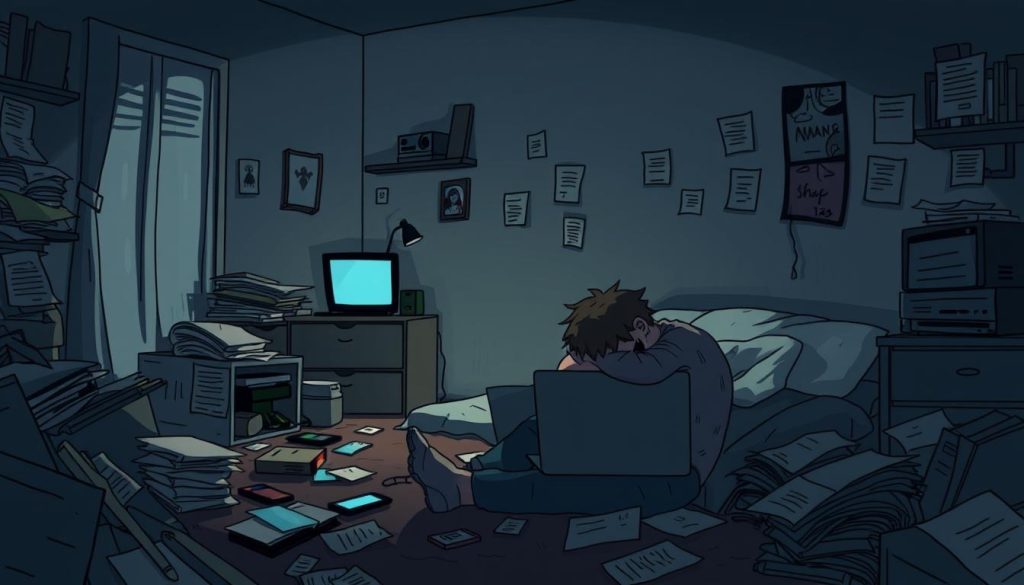
Maintaining multiple profiles exhausts 18% of individuals. These negative experiences accumulate over time. Dr. Spann notes they create lasting emotional and physical effects.
As Dr. Ho observes, investing time in matches who disappear can lead to losing faith in the entire process. This relationship exhaustion makes people more cynical with each interaction.
Practical Strategies for a Reset
Feeling overwhelmed by constant notifications and endless profiles? These expert-backed approaches can help you reclaim control and find more joy in your search for connection.
Setting Healthy Boundaries
Dr. Rufus Tony Spann recommends limiting your platform usage to just 30 minutes at a time. Taking regular breaks between sessions prevents mental fatigue.
Dr. Sabrina Romanoff emphasizes the importance of clear limits. “These platforms can very easily feel like a second job if you’re not careful about setting time and emotional boundaries,” she warns.
Brooke Schwartz suggests practicing intentional engagement. Be mindful about how each profile makes you feel rather than swiping automatically.
Taking Meaningful Breaks
Stepping away for a few days isn’t giving up—it’s strategic self-care. Dr. Wald notes that short pauses can reenergize your approach.
If you’re feeling numb or resentful, that’s your signal to reconnect with real-life joy. Focus on conversations with existing matches rather than constantly seeking new ones.
Set specific times for checking your platforms. This prevents mindless scrolling and helps you use your time more productively to plan actual meetings.
Expert Advice and Survey Insights
Clinical research reveals specific patterns that contribute to feeling drained from digital connections. Leading mental health professionals offer valuable perspectives on why these experiences become overwhelming for many individuals.
Perspectives from Therapists and Researchers
Dr. Judy Ho explains that competition and FOMO add significant pressure. “The pressure of always feeling like it’s a competition creates additional stress,” she notes from her clinical experience.
Dr. Rufus Tony Spann identifies three common user profiles. These include people addicted to swiping, those seeking emotional outlets, and individuals looking for ego boosts. Understanding these patterns helps users recognize their own behaviors.
Dr. Helen Fisher provides a straightforward assessment: “People binge, and that is what exhausts them.” This highlights how usage patterns rather than the platforms themselves create challenges.
What the Data Reveals About Usage Patterns
The Forbes Health survey methodology ensures reliable information. Researchers collected data from 1,000 U.S. adults who used relationship platforms within the past year.
Dr. Raphael Wald offers a universal principle: “Anytime something takes over your life, it can cause burnout.” This applies directly to digital connection habits that become all-consuming.
These expert insights show that feeling overwhelmed isn’t personal failure. It’s a natural response to specific usage patterns that professionals have identified through careful study.
Reinventing Your Approach to Digital Dating
What if you could transform your digital dating experience from exhausting to empowering? The secret lies in shifting from mindless swiping to intentional connection-seeking. This approach aligns your actions with your genuine relationship goals.
Refocusing Your Dating Intentions
Start by asking yourself why you’re using these platforms. Are you genuinely seeking meaningful connection or just filling time? Dr. Wald notes that dating sites “can be great for busy people” when users are clear about their expectations.
Clarify what you want in a partner. Are your actions matching your goals? Many people settle for casual encounters when they truly desire long-term commitment. Being honest with yourself creates a foundation for success.
Building an Authentic Online Profile
Create a profile that shows your true personality. Include genuine smiles and quirky interests that make you unique. Authenticity acts as a natural filter, attracting compatible matches while deterring incompatible ones.
Prioritize real-life interactions once you connect with someone. Face-to-face meetings build genuine connections faster than endless texting. Know what qualities you’re flexible about versus what you definitely need in a partner.
Remember the positive potential: 39% of users felt more confident using these platforms. With the right approach, you can find both meaningful relationships and increased self-esteem.
Conclusion
Building genuine connections means prioritizing your wellbeing over the pursuit of perfect matches. The exhaustion many users report is common but manageable with the right approach. Remember that these platforms are tools to facilitate meetings, not the relationships themselves.
Implementing healthy boundaries—like limiting sessions to 30 minutes and taking regular breaks—can transform your experience. Authenticity in your profile and conversations matters more than impressing the maximum number of people. As recent research confirms, sustainable habits lead to better outcomes than treating romance as a numbers game.
Your search for a partner should enhance your life, not drain it. Whether connection happens through digital means or real-life encounters, what truly matters is creating space for meaningful relationships while staying true to yourself.
FAQ
What are the most common symptoms of feeling drained from using these platforms?
People often report feeling cynical, exhausted, or indifferent. You might find yourself swiping without real interest, getting easily frustrated with conversations, or feeling a sense of hopelessness about finding a genuine partner.
How long should a break from using these services typically last?
There’s no set time. A reset can be a weekend, a month, or longer. It’s about listening to yourself. The goal is to step away until you feel re-energized and excited about the possibility of connecting with others, rather than seeing it as a chore.
Can taking a pause actually improve my chances of finding love?
Absolutely. A breather allows you to return with a clearer mind and renewed purpose. It helps you avoid autopilot swiping and engage more authentically. This fresh mindset can make your profile and conversations more attractive to potential matches.
What are some practical steps I can take during a digital detox?
Focus on activities that recharge you. Spend time with friends and family, dive into a hobby, or enjoy being alone. The key is to reconnect with your life offline. This builds confidence and happiness that isn’t dependent on external validation from an application.
Is it normal to feel pressure to always be "on" and responsive?
Yes, this is a very common experience. The constant stream of notifications and matches can create a sense of urgency. Setting boundaries, like designating specific times to check the app, can greatly reduce this anxiety and help you regain control.