Bumble vs. EliteSingles: Which Dating App is Best?
Published Tue Mar 25 2025 by Thomas Jentzsch
 AI-generated
When it comes to choosing the best dating site, it can be overwhelming with so many options available. Two popular dating apps, Bumble and EliteSingles, have different approaches to online dating, making it essential to compare their features and user bases. This best dating site comparison will help readers decide which app is best for their needs, considering factors like features comparison and target audience.
With Bumble and EliteSingles being two of the most popular dating apps, it’s crucial to understand their unique features and user demographics. EliteSingles, for instance, sends users between 3 and 7 compatible matches every day, while Bumble requires female users to initiate conversation within 24 hours of a match. This features comparison will help readers make an informed decision when choosing between Bumble vs. EliteSingles.
Key Takeaways
- Bumble and EliteSingles have different approaches to online dating, catering to various user needs.
- EliteSingles sends users between 3 and 7 compatible matches every day, based on their extensive personality test.
- Bumble requires female users to initiate conversation within 24 hours of a match, or the match will be erased.
- Both apps offer unique features, such as Bumble’s BFF and Bizz modes, and EliteSingles’ premium membership for unlimited messages.
- The target demographic for Bumble is individuals aged 25–35, while EliteSingles caters to educated, professional singles aged between 30 and 55.
- A thorough features comparison is necessary to choose the best dating app for your relationship goals.
Understanding the Dating App Landscape
The dating app landscape has undergone significant changes in recent years, with the emergence of specialized dating platforms that cater to specific interests, preferences, and demographics. This shift has led to a more targeted approach to online dating, allowing users to find like-minded individuals with ease. The rise of casual dating apps such as Tinder and Bumble has focused on short-term connections and casual relationships, while professional dating apps like EliteSingles prioritize long-term relationships and compatibility.
In the dating app landscape, users have a wide range of options to choose from, depending on their preferences and goals. Some apps, like Hinge, are recognized for their ability to foster long-term relationships, while others, like Plenty of Fish, are geared towards having fun and casual interactions. The key to success in this landscape is understanding the unique features and user bases of each app, and selecting the one that best aligns with your needs and expectations.
 AI-generated
Some notable features of specialized dating platforms include advanced filtering systems, compatibility quizzes, and secure messaging. For example, Bumble allows women to make the first move, promoting a unique gender dynamic in dating. EliteSingles, on the other hand, features an in-depth personality test to match users with compatible partners. By understanding the dating app landscape and the key differences between casual and professional dating apps, users can make informed decisions and increase their chances of finding a meaningful connection.
Deep Dive: Bumble vs. EliteSingles Feature Comparison
When it comes to choosing between Bumble and EliteSingles, a thorough feature comparison is essential. Both platforms offer unique communication tools and matching algorithms designed to cater to different user preferences. For instance, Bumble is known for its women-first approach, where females initiate conversations, while EliteSingles uses a comprehensive matching process based on personality traits and compatibility.
A key aspect of both platforms is their profile creation process. EliteSingles, for example, offers a detailed questionnaire to help create a accurate profile, increasing the chances of finding a compatible match. In contrast, Bumble’s profile creation is more straightforward, focusing on basic information and interests. The pricing structure of both platforms also varies, with EliteSingles offering premium memberships ranging from $31.95 to $57.95 per month, and Bumble providing various paid features and subscriptions.
According to experts, EliteSingles generates at least 1,200 success stories every month, demonstrating its effectiveness in matching compatible partners. Additionally, the platform’s focus on matching algorithms and communication tools sets it apart from other dating apps. To learn more about successful matchmaking on EliteSingles, visit this guide.
 AI-generated
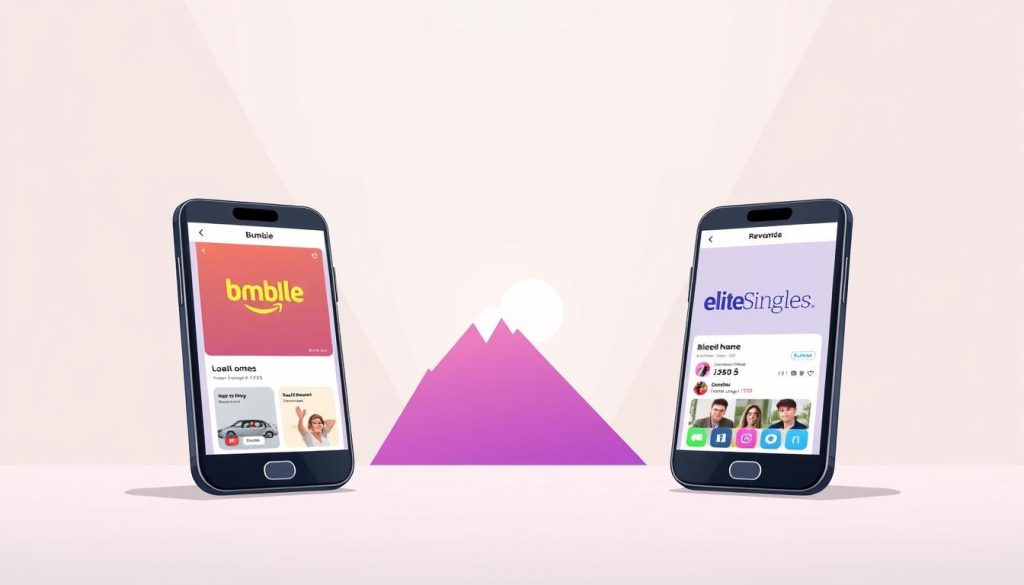
- EliteSingles: comprehensive matching algorithm, detailed profile creation, premium memberships
- Bumble: women-first approach, straightforward profile creation, various paid features and subscriptions
Ultimately, the choice between Bumble and EliteSingles depends on individual preferences and needs. By considering the feature comparison, communication tools, and pricing structure of both platforms, users can make an informed decision and increase their chances of finding a compatible match.
User Demographics and Target Audience
When it comes to user demographics, Bumble and EliteSingles cater to different age groups and interests. Bumble has a younger user base, with a focus on casual relationships and social networking. In contrast, EliteSingles has an older user base, with a focus on long-term relationships and compatibility. Understanding the target audience of each platform is crucial in determining which one is best suited to individual needs and preferences.
The user demographics of EliteSingles show that the platform is designed for educated professionals seeking meaningful relationships. With over 13 million members globally, EliteSingles offers a compatibility-based matching system to connect users with like-minded individuals, primarily aged 30-55.
Some key statistics about the online dating market include:
- The global online dating market size was valued at USD 9.65 billion in 2022.
- The market is projected to register a compound annual growth rate (CAGR) of 7.4% from 2023 to 2030.
- Approximately 53 million Americans and 413 million people worldwide are actively using online dating services.
In the Bumble vs. EliteSingles comparison, it’s essential to consider the target audience and user demographics to make an informed decision. By understanding the demographics and target audience of each platform, users can choose the one that best aligns with their relationship goals and preferences.
Platform Experience and Interface Design
When it comes to choosing a dating app, the platform experience and interface design play a crucial role in determining the overall user experience. A well-designed interface can make it easier for users to navigate and find potential matches. EliteSingles, for example, offers a seamless desktop experience with a focus on profile creation and matching algorithms. On the other hand, Bumble has a user-friendly mobile app functionality that allows users to swipe and match with potential partners on-the-go.
In terms of ease of navigation, both apps have their strengths and weaknesses. EliteSingles has a more comprehensive profile creation process, which can be time-consuming but ultimately leads to more accurate matches. Bumble, on the other hand, has a faster sign-up process but may require more effort to find meaningful connections. According to EliteSingles, the app’s unique approach to matching has led to a high success rate, with over 2,000 members finding lasting relationships every month.
Here are some key features to consider when evaluating the platform experience and interface design of dating apps:
- Mobile app functionality: Is the app easy to use on a mobile device?
- Desktop experience: Is the app’s desktop version user-friendly and comprehensive?
- Ease of navigation: How easy is it to find potential matches and navigate the app’s features?
- Interface design: Is the app’s design visually appealing and intuitive?
Ultimately, the choice between dating apps depends on individual preferences and goals. By considering factors such as platform experience, interface design, and ease of navigation, users can make an informed decision and find the app that best suits their needs. For more information on creating a compelling online dating profile, check out EliteSingles profile examples.
Conclusion: Making Your Final Choice
In the end, the decision between Bumble and EliteSingles comes down to your personal preferences and dating goals. If you’re seeking a more casual, social experience, Bumble’s unique features like women-initiated conversations may be the better fit. However, if you’re a career-driven professional looking for a serious, long-term relationship, EliteSingles’ in-depth compatibility matching and focus on educated singles could be the ideal solution.
EliteSingles boasts an impressive user base, with 82% of members being university graduates and 165,000 new members joining worldwide each month. The platform’s premium membership offers advanced features like 20 additional daily matches, ensuring a higher chance of finding compatible partners. At the same time, the average cost of $31.95 per month for a yearly subscription may be a deterrent for some users.
Ultimately, the best dating app for you depends on your unique needs and preferences. By carefully considering the features, user demographics, and overall platform experience of Bumble and EliteSingles, you can make an informed decision and take the first step towards finding your perfect match.
FAQ
What is the main difference between Bumble and EliteSingles?
Bumble is a casual dating app that focuses on short-term connections, while EliteSingles is a professional dating app that focuses on long-term relationships and compatibility.
Who is the target audience for Bumble and EliteSingles?
Bumble has a younger user base, while EliteSingles caters to an older, more professional demographic.
What are the key features of Bumble and EliteSingles?
Bumble is known for its unique approach where women make the first move, while EliteSingles uses a comprehensive matching algorithm to connect compatible partners.
How do the communication tools and messaging systems differ between Bumble and EliteSingles?
Bumble has a more streamlined messaging system, while EliteSingles offers more robust communication tools for users to connect.
Which platform has a better user interface and overall experience?
Bumble has a more user-friendly mobile app, while EliteSingles has a more comprehensive desktop experience.
Which dating app has a better success rate in finding long-term relationships?
EliteSingles is generally considered better for finding long-term relationships due to its comprehensive matching algorithm and focus on compatibility.
How do the pricing structures and premium features differ between Bumble and EliteSingles?
Bumble offers a free basic version with optional paid features, while EliteSingles has a more comprehensive premium subscription model.